Field notes
Stories, guides and updates from under Bortle 1 skies.
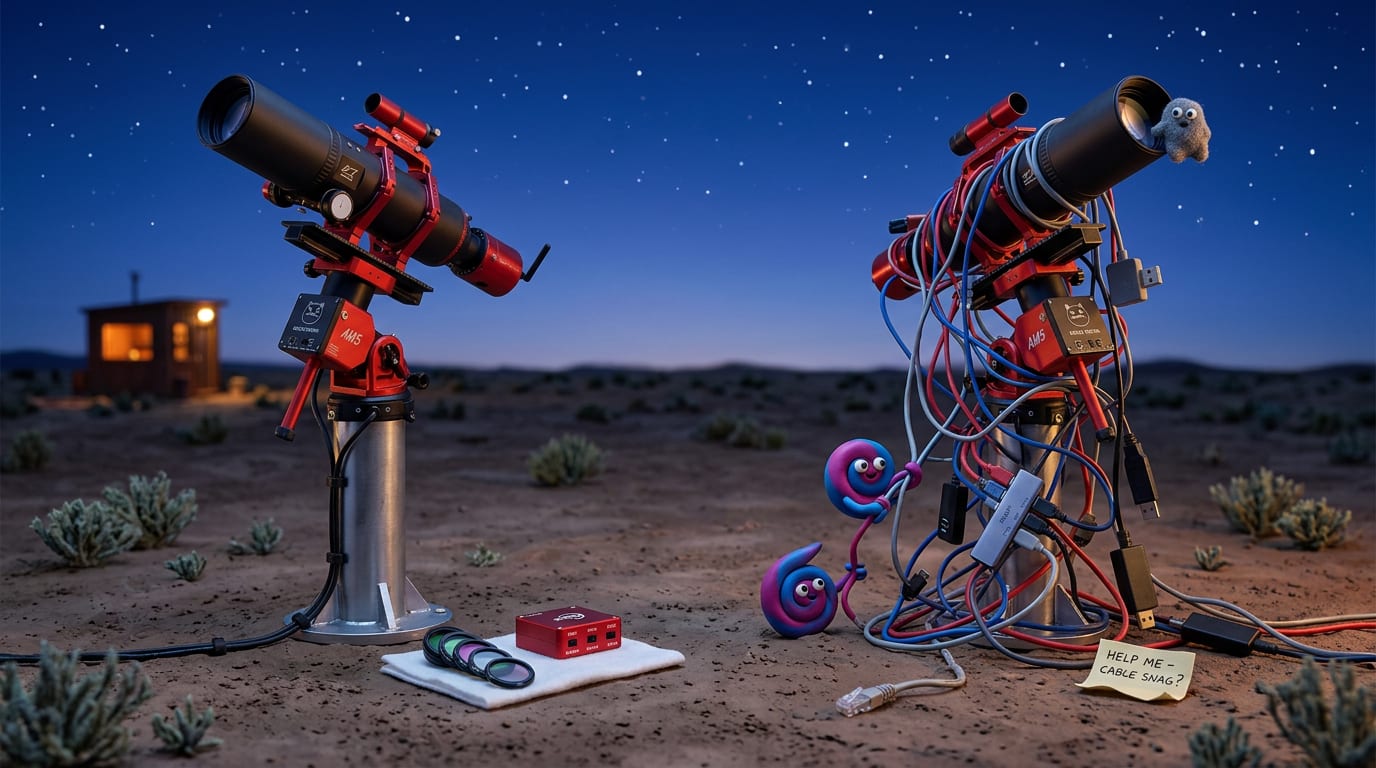
What Makes a Remote Telescope Rig Easy to Host (and What Turns It Into a Nightmare)
A pragmatic checklist for anyone deciding whether to host their own scope or move to a remote site. Focus on the hardware and operational choices that shorten the weeks‑to‑months provisioning phase and stop tickets from becoming permanent chores.
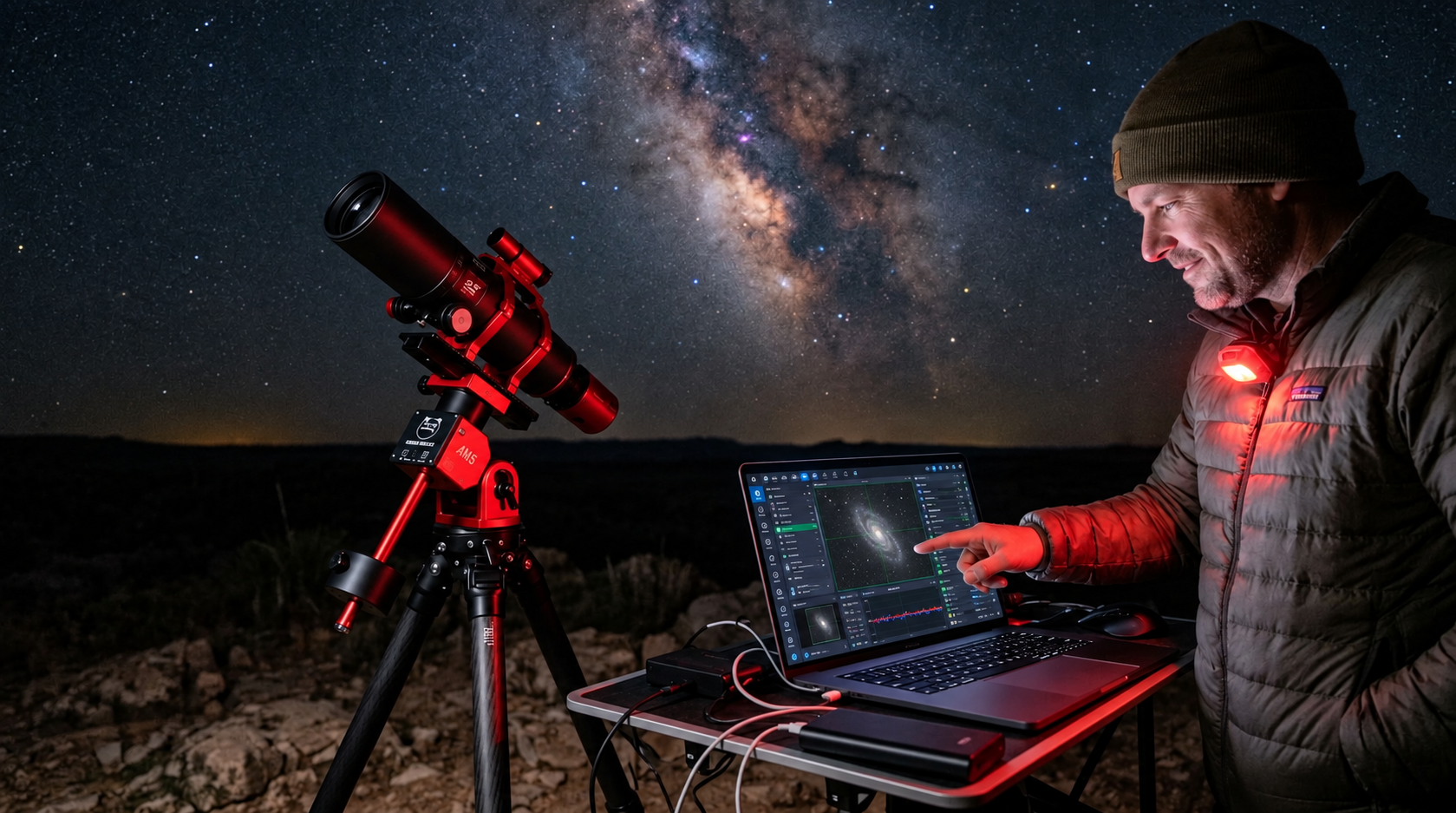
How to Build a NINA Sequence That Survives the Night Without You
A sequence that runs unattended needs more than a target list. Here is how to handle safety monitors, auto-recovery, and the 2026 NINA features that keep your session alive from dusk to dawn.
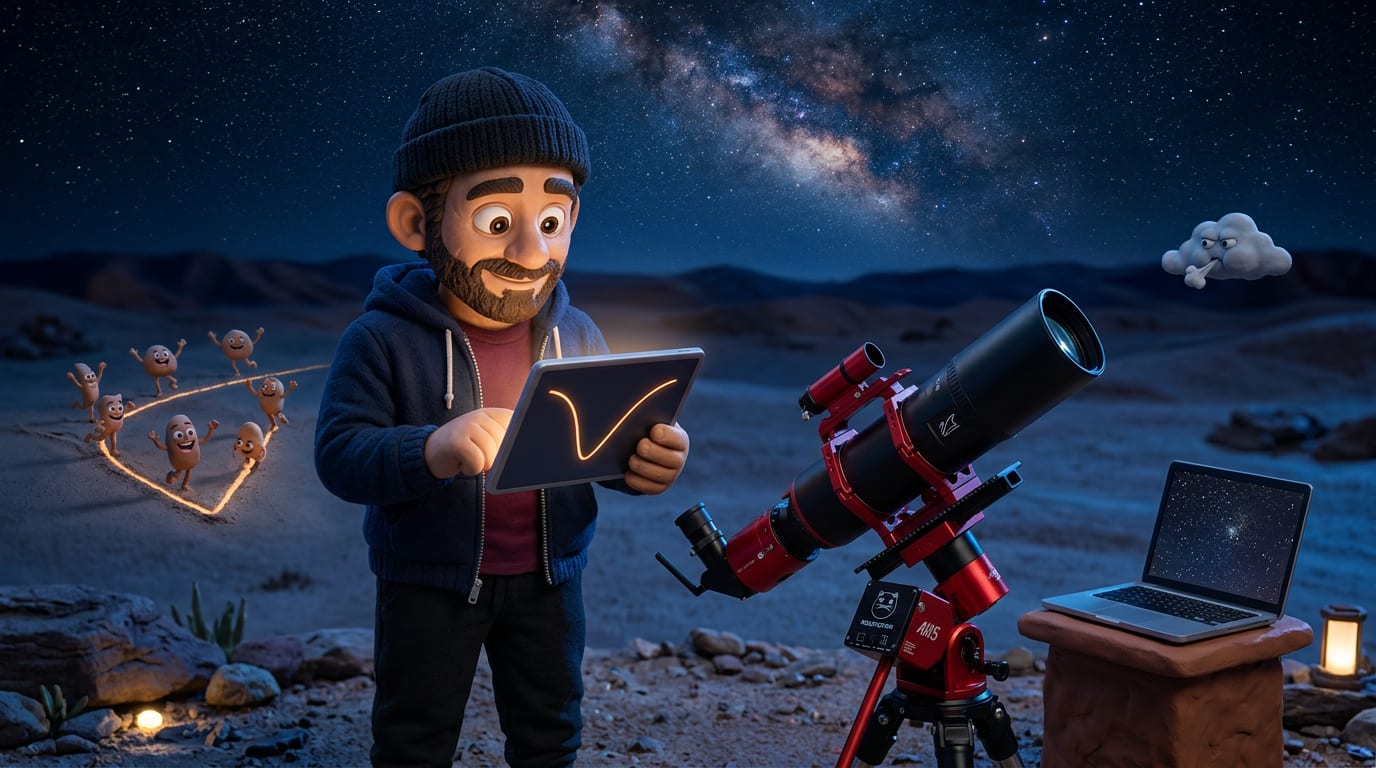
NINA Autofocus Curves: Step Size, Backlash, and What a Good V-Curve Looks Like
A guide to setting up NINA's autofocus routine for remote operation: how to pick step size and offset, why the overshoot method eliminates backlash, and how to read the curve to catch problems before they cost you a night.

Your Stars Are Oval? The Polar Alignment Check You Should Run Before Buying a Guide Scope
Oval stars send many beginners shopping for a guide scope before they have checked the one thing that might actually fix them. Here is a simple test that takes ten minutes and uses only the camera and mount you already own.
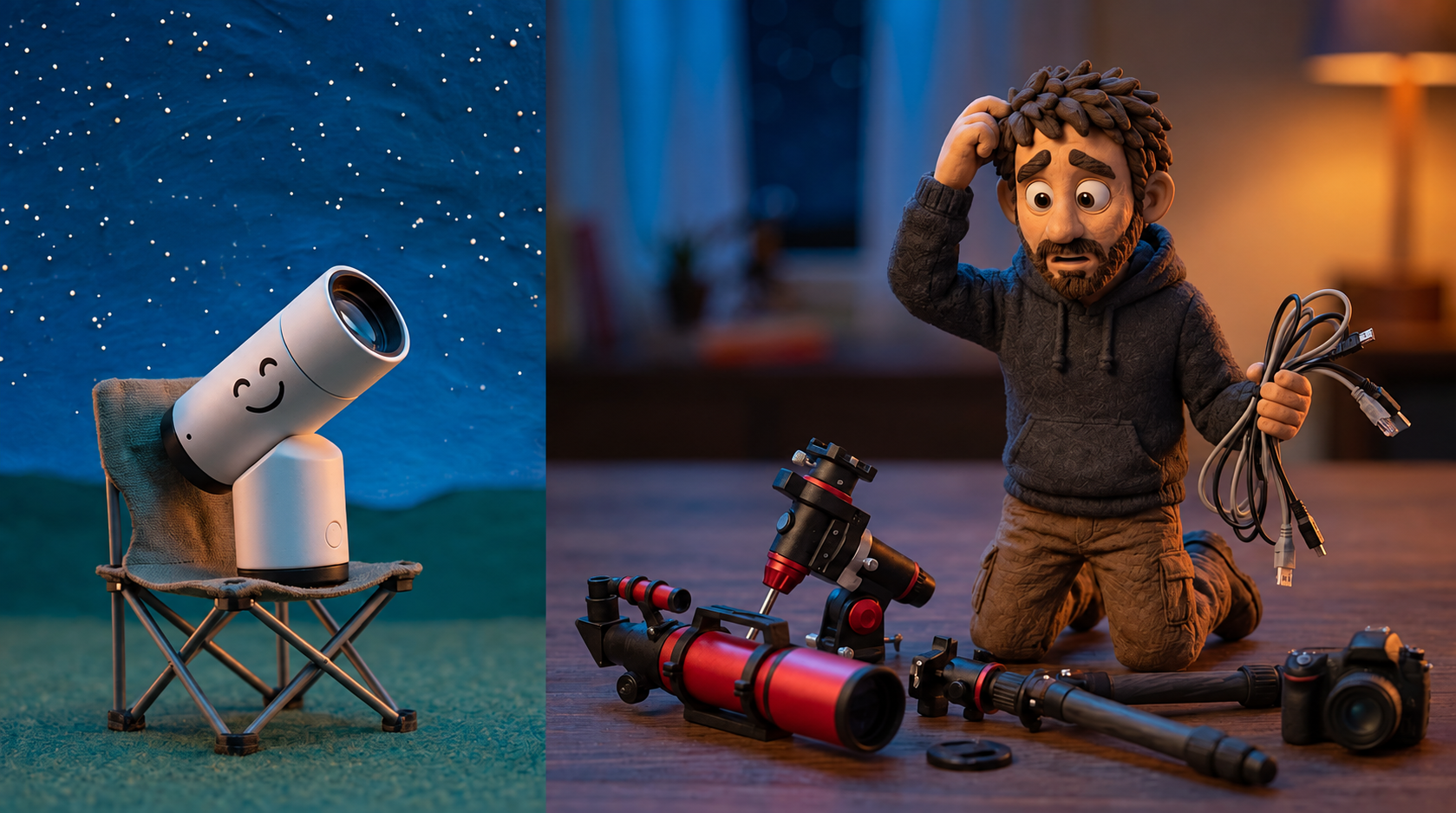
Modular vs Smart Telescopes: What Each One Actually Delivers
One costs $499 and takes two minutes to set up. The other costs five times more and needs a spreadsheet to plan. Here is what you actually get from each, and when one makes more sense than the other.

Why Autoguiding Won't Fix a Bad Polar Alignment
Autoguiding keeps your guide star centered, but it does not stop the whole field from rotating around that star. Here is why elongated stars at the edges of your frame are often a polar alignment problem, not a guiding one, and how to tell the difference before you chase the wrong fix.

One-Shot Color Cameras: How Much Light You Actually Lose and What You Get Back
The Bayer filter on a one-shot color camera blocks between a third and half of incoming light. Here is exactly how that affects integration time, color resolution, and the real-world scenarios where OSC still delivers results that surprise people who chase numbers on paper.
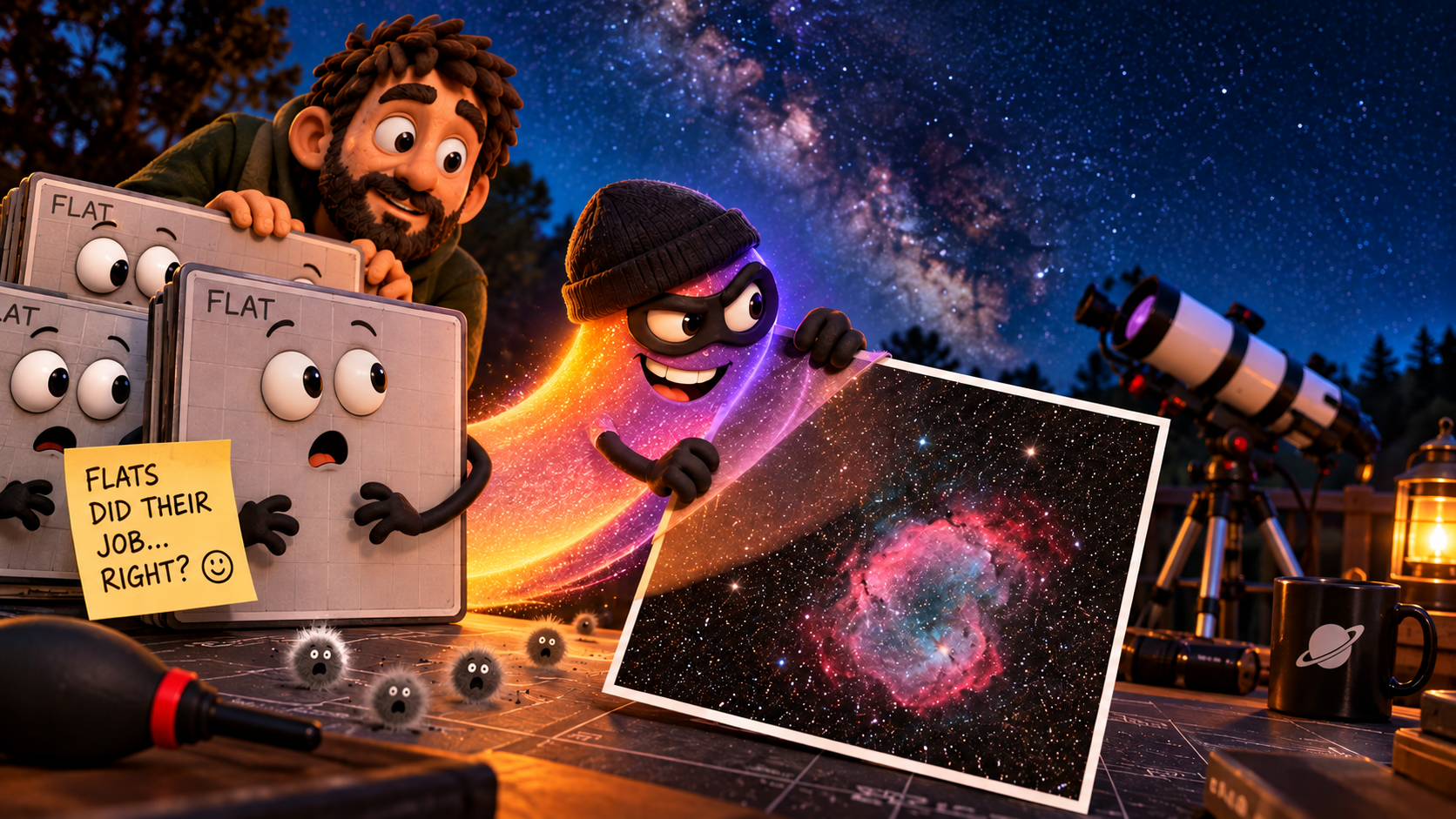
The Gradient That Sneaks Past Your Flats: How to Spot It and Fix It in Processing
Flats fix vignetting and dust, but some gradients survive calibration because they are additive, not multiplicative. Here is how to identify those gradients and which tool removes them without eating the real signal underneath.
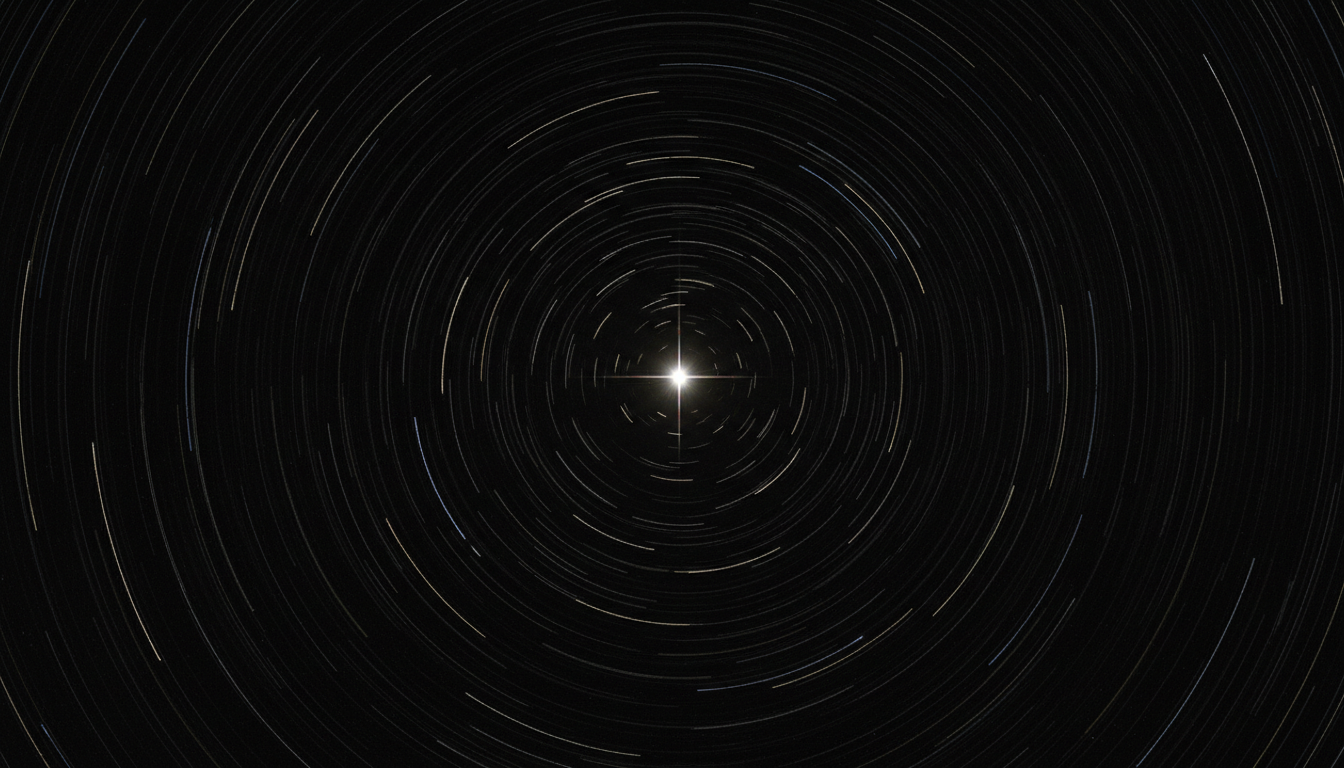
Why Autoguiding Is the Real Reason Stars Stay Round
No mount tracks perfectly. Autoguiding watches a guide star and corrects every drift in real time, turning what would be streaks into round, sharp stars across two to five minute sub-exposures.
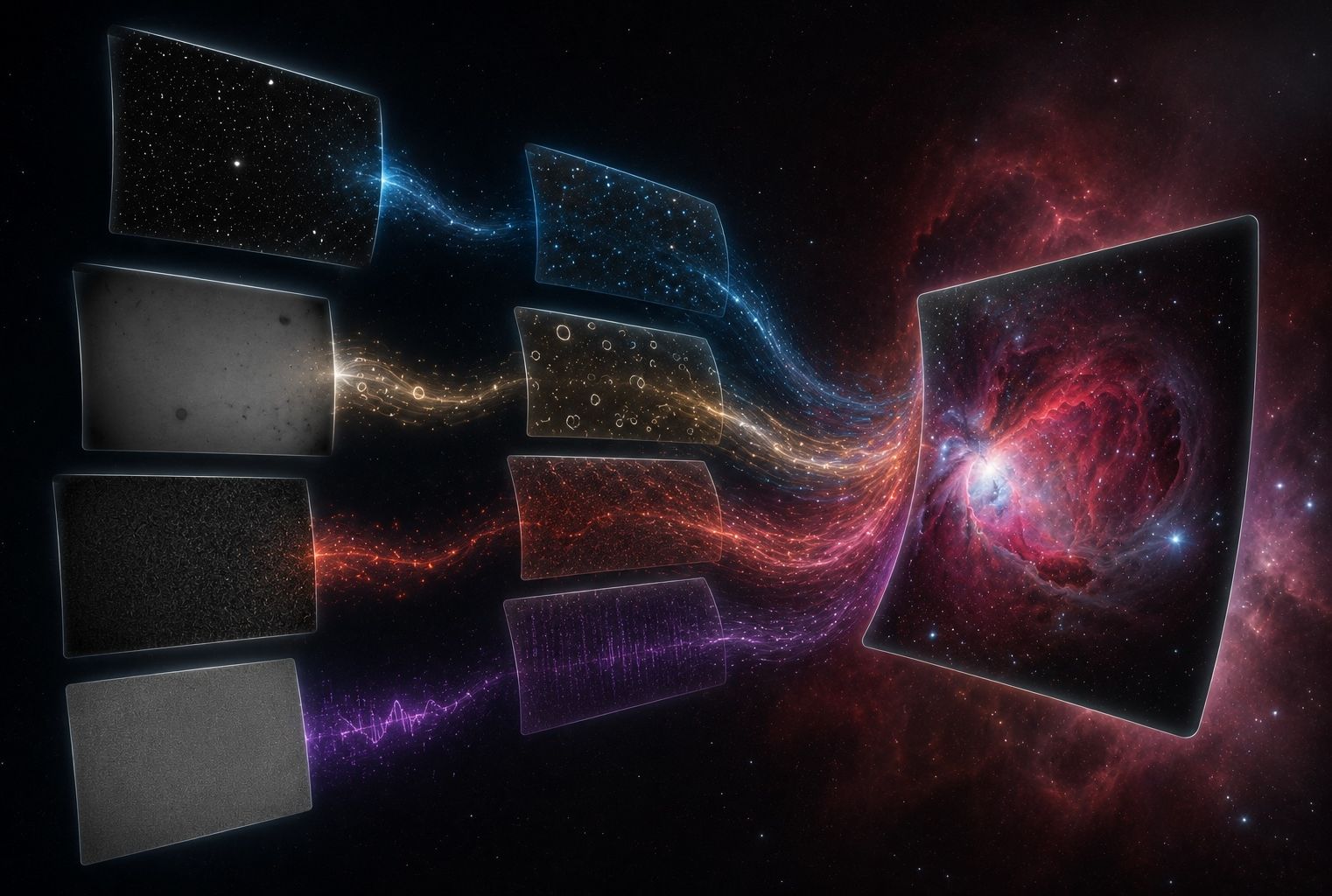
Understanding Calibration Frames
Every clean astrophoto hides a second set of exposures you never see. Here is what calibration frames do, and why they turn a noisy snapshot into a deep, smooth image.
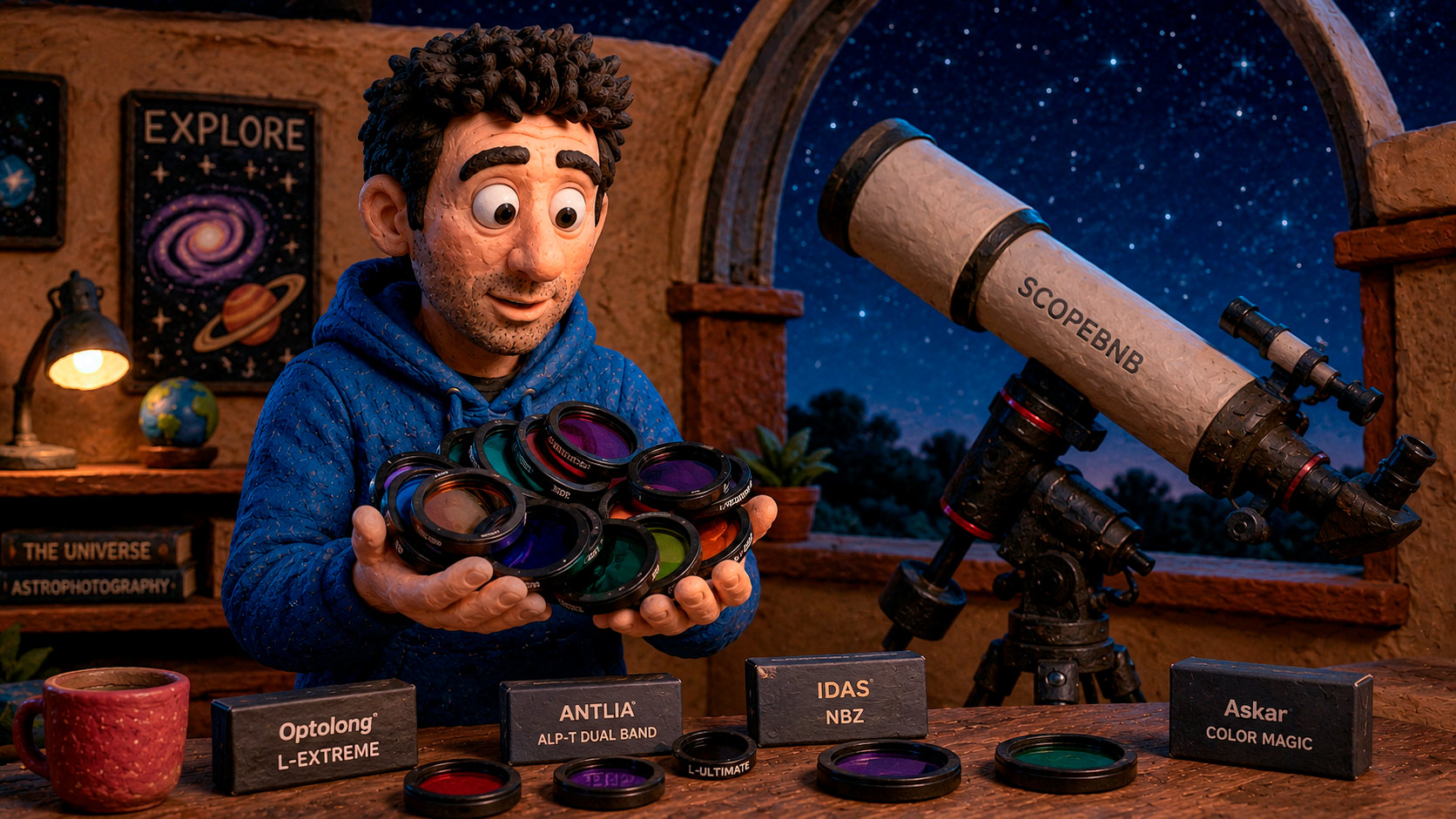
Dual-Band Filters: One of the Best Upgrades for Color Astrophotography
One accessory that rescues a moonlit night and pulls nebulae out of bright skies. How dual-band filters work, and why they are the best upgrade for a color camera.
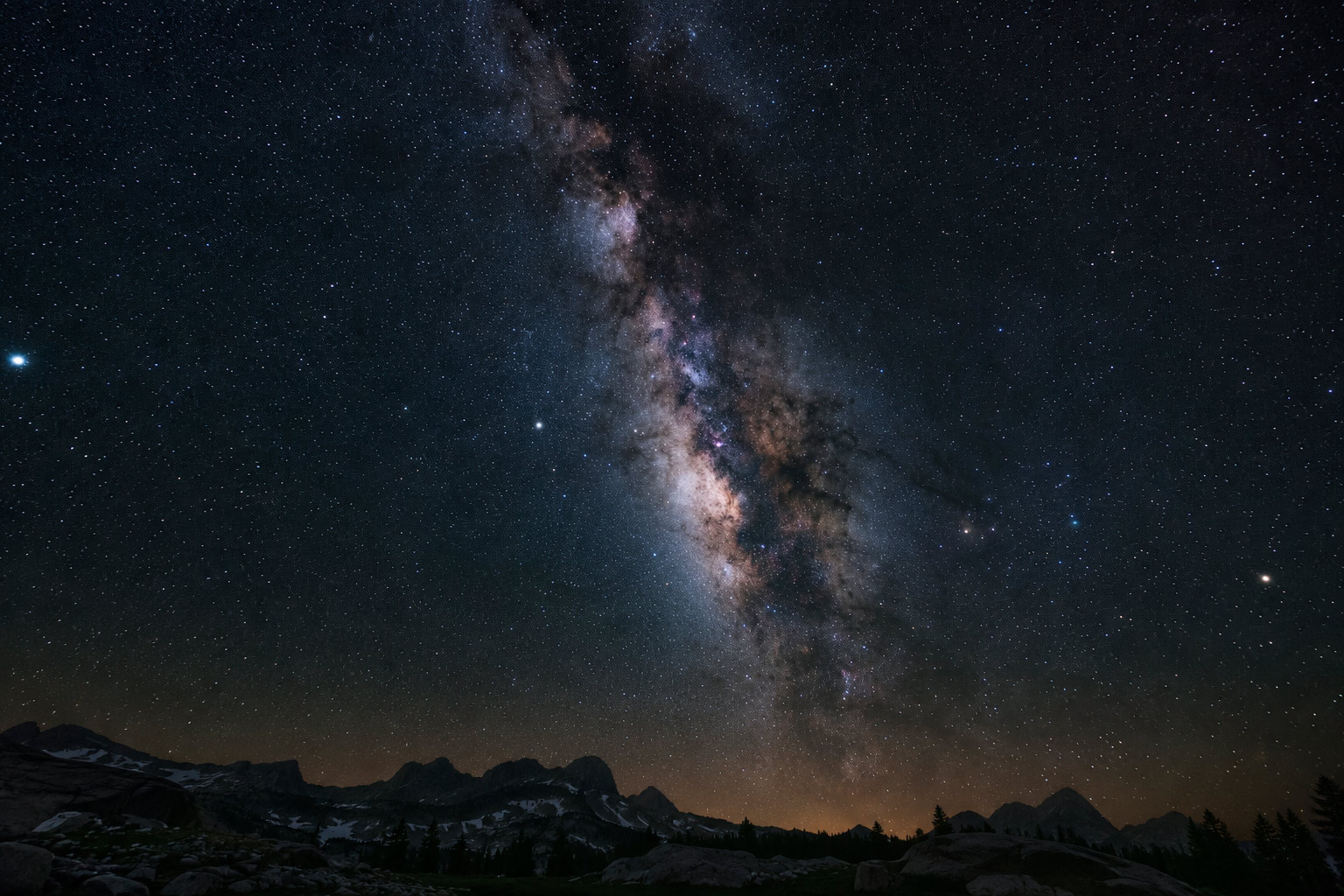
What Bortle 1 Skies Let You Capture That Your Backyard Never Will
Why a dark sky is the one upgrade no camera or filter can replace, and what Bortle 1 lets you capture that a light polluted backyard never will.
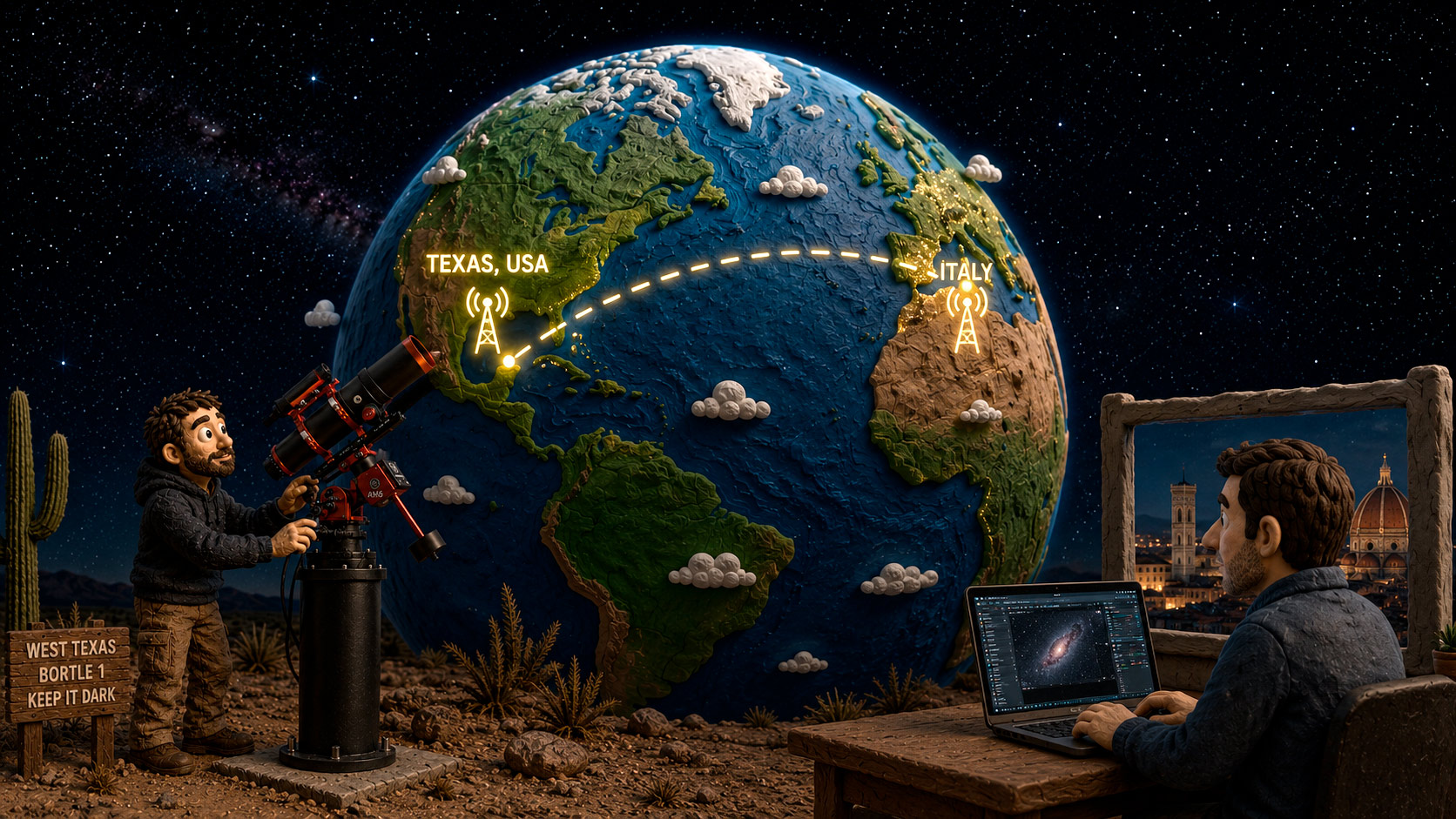
Remote Astrophotography with N.I.N.A.: Automating Your Journey Through the Cosmos
How automation software like N.I.N.A. turns a full night of imaging into a sequence you set once and let run, from focus and guiding to dithering and the meridian flip.
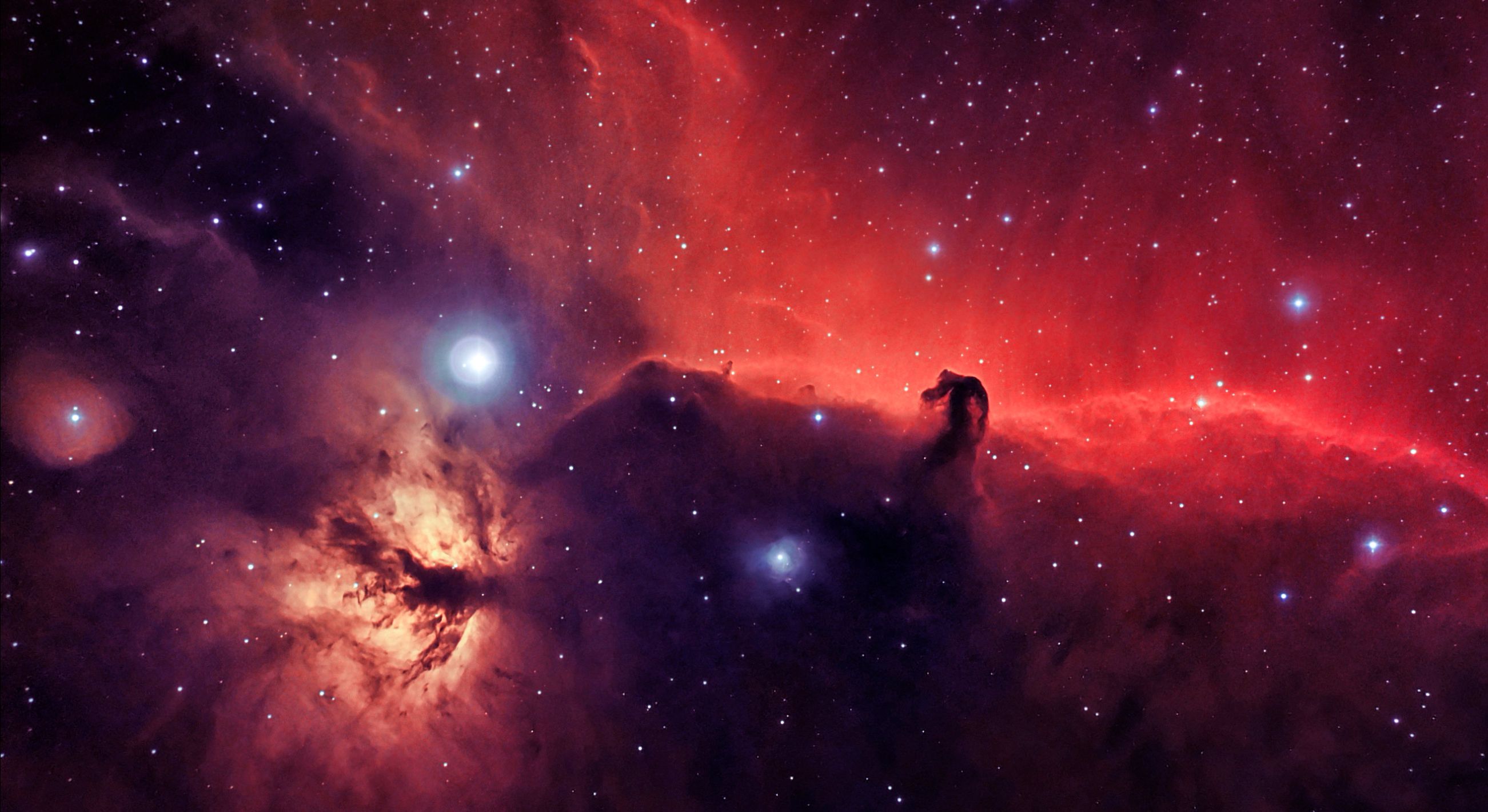
Understanding Nebulae: Which Types Exist and How to Photograph Them
Emission, reflection, dark, planetary and supernova remnants: the five families of nebulae, what makes each one glow, and how to capture them with a one-shot color camera.

Astrophotography Processing Software: Turning Raw Data into Stunning Images
Capturing the photons is only half the job. A tour of the software that turns raw frames into a finished image, and where each tool fits in your workflow.
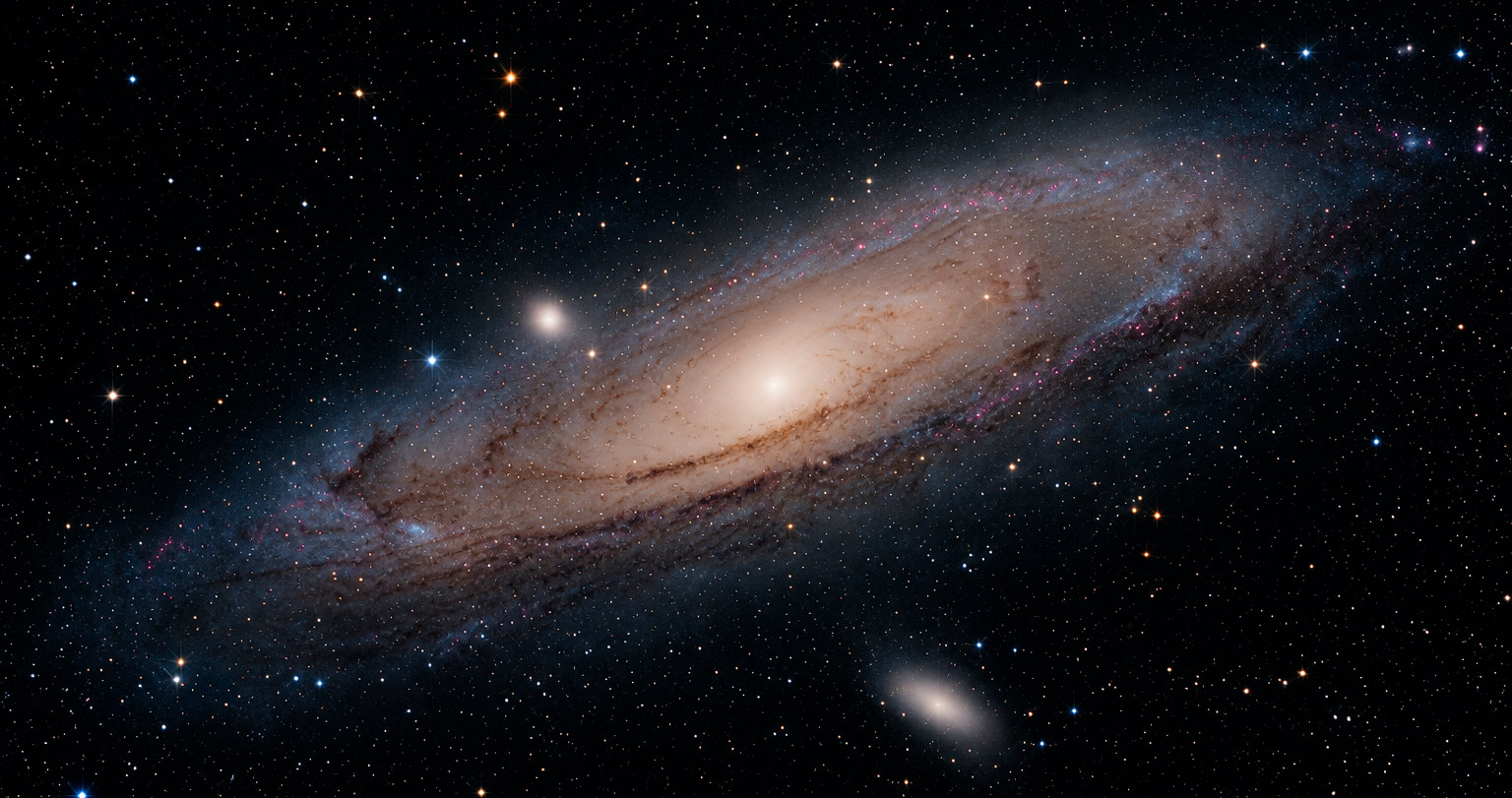
Galaxies: Capturing Island Universes Through Your Telescope
Light that left its source millions of years ago lands on your sensor tonight. What it takes to photograph galaxies, and which ones a wide-field rig captures best.
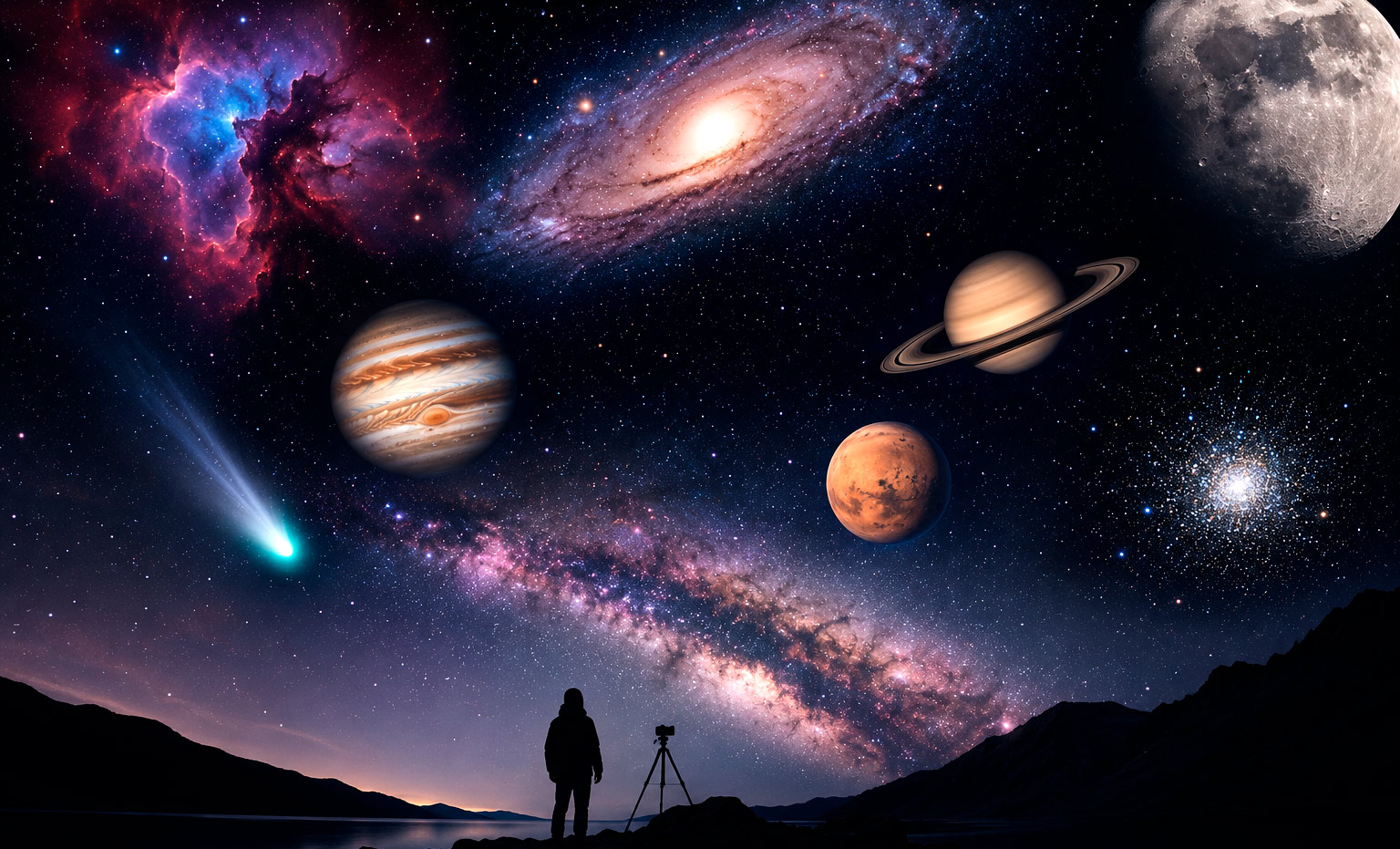
Exploring the Different Types of Astrophotography Targets
From planets next door to galaxies millions of light years away. A field guide to what is out there to photograph, and which targets suit your gear.
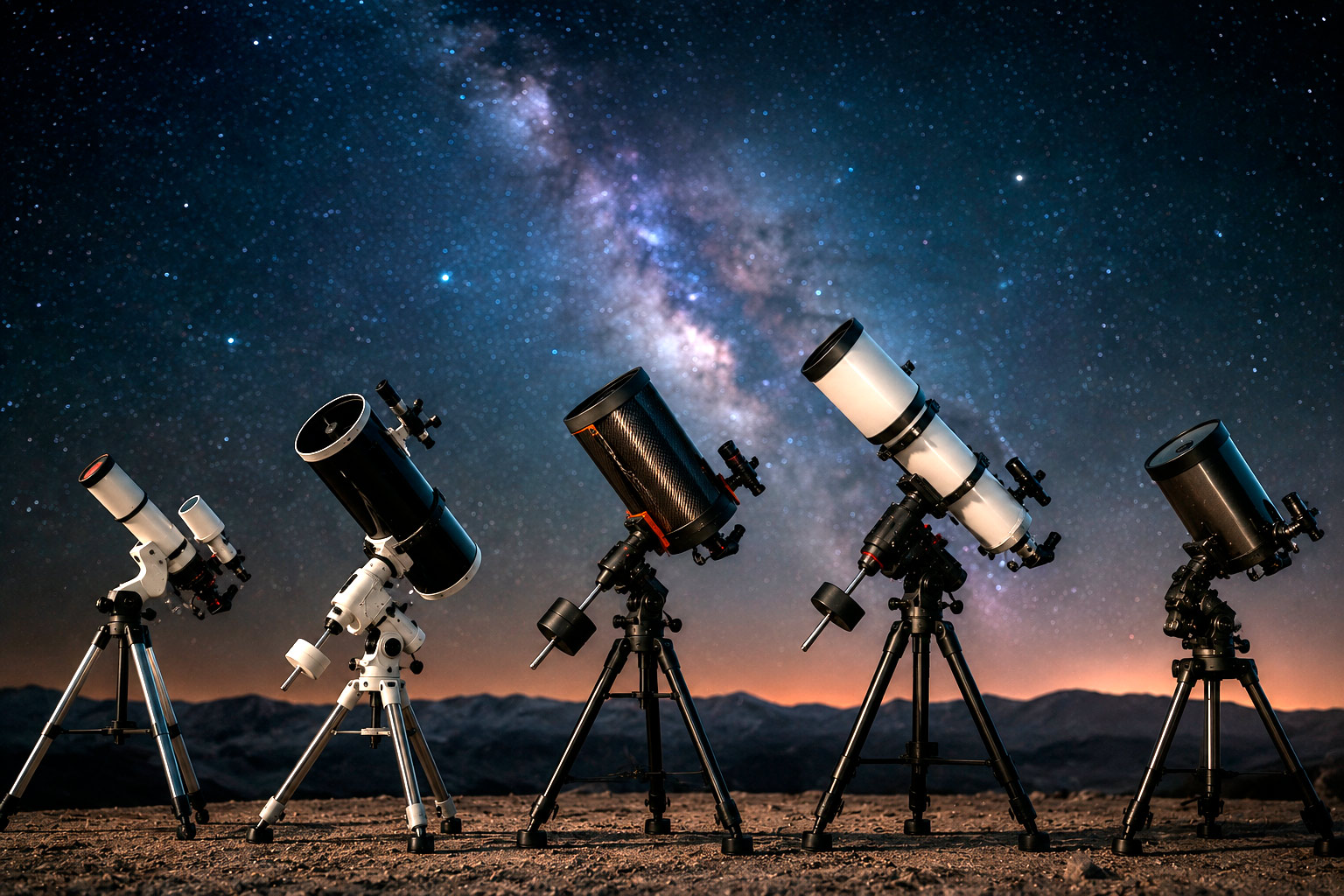
Choosing the Right Telescope for Astrophotography
Refractor, reflector or compound? A plain-language guide to matching a telescope to the targets you want to shoot, your budget, and your patience.

What Is Integration? Why Deep-Sky Images Are Built From Many Exposures
Why a deep-sky image is not one long exposure but dozens stacked together, how integration pulls faint detail out of the noise, and why dark skies make every minute count.
What Is Seeing and Why It Sets the Limit on Sharpness
Atmospheric seeing controls how sharp stars appear through a telescope. Twinkling is the visible sign of air in motion, and the difference between a steady night and a turbulent one often matters more than the quality of the optics.
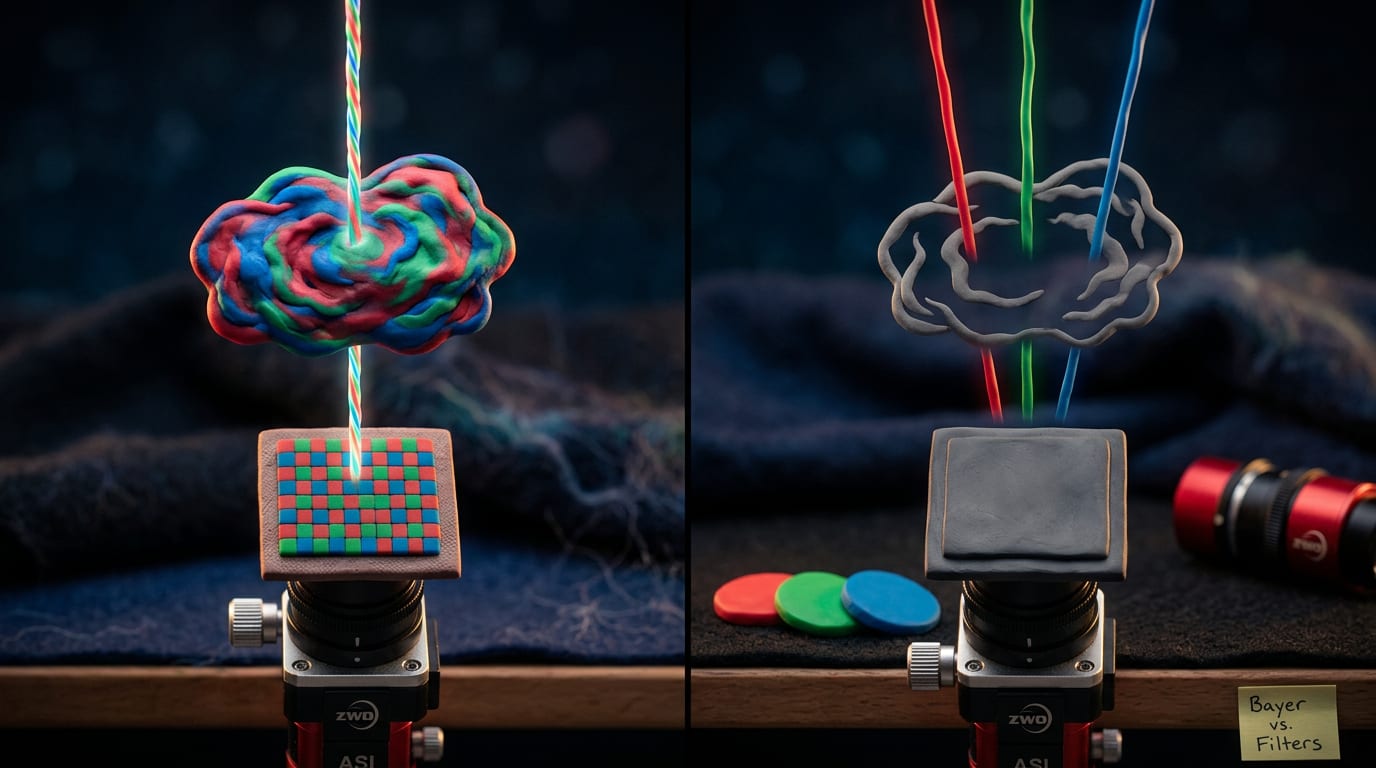
OSC vs Mono: Choosing a Camera for Astrophotography
The difference between one-shot color and monochrome cameras, the trade-offs of each, and why a one-shot color camera is such a good fit for fast, approachable deep-sky imaging.