Dual-Band Filters: One of the Best Upgrades for Color Astrophotography
One accessory that rescues a moonlit night and pulls nebulae out of bright skies. How dual-band filters work, and why they are the best upgrade for a color camera.
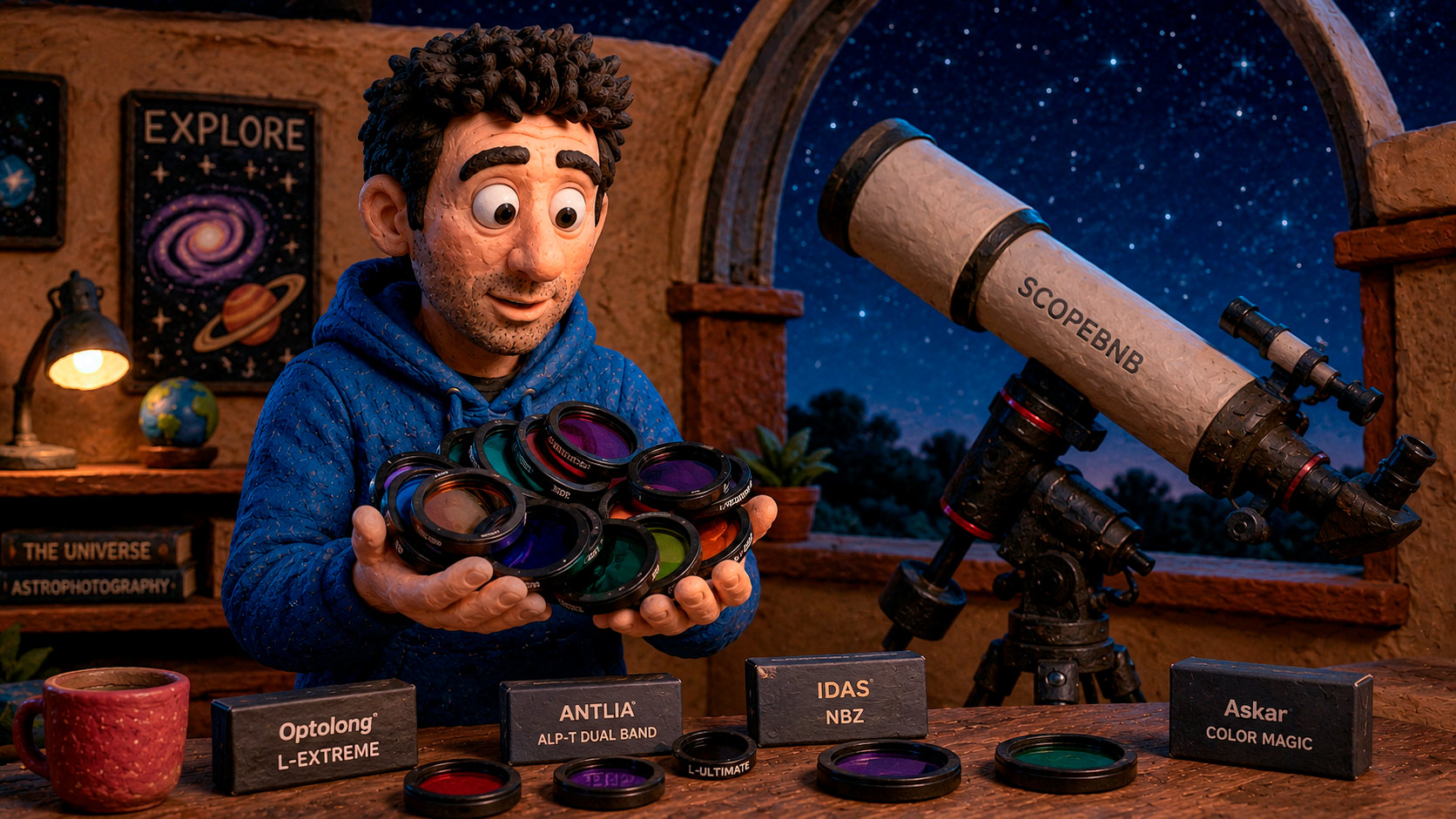
For astrophotographers using a one-shot color camera, few accessories can have as much impact on image quality as a good dual-band filter. These filters are designed to isolate specific wavelengths of light emitted by nebulae while blocking much of the unwanted light from the atmosphere, moonlight, and light pollution.
Even under dark skies, dual-band filters can dramatically enhance contrast and reveal structures that might otherwise remain hidden.

What Is a Dual-Band Filter?
Most emission nebulae emit strongly in two key wavelengths:
Hydrogen-Alpha (Hα) at 656.3nm
Oxygen-III (OIII) at 500.7nm
A dual-band filter allows these wavelengths to pass while blocking much of the rest of the visible spectrum.
The result is:
Higher nebula contrast
Darker backgrounds
Better separation between gas clouds and stars
More efficient imaging during bright Moon phases
These filters are especially popular among users of color CMOS cameras.
Which Targets Benefit Most?
Dual-band filters work exceptionally well on:
Emission nebulae
Planetary nebulae
Supernova remnants
Excellent examples include:
Orion Nebula (M42)
Rosette Nebula
Heart Nebula
Soul Nebula
Veil Nebula
North America Nebula
Helix Nebula
They are generally not recommended for:
Galaxies
Reflection nebulae
Dark nebulae
Star clusters
These objects emit broadband light and usually benefit from imaging without narrowband filtration.
Popular Dual-Band Filters
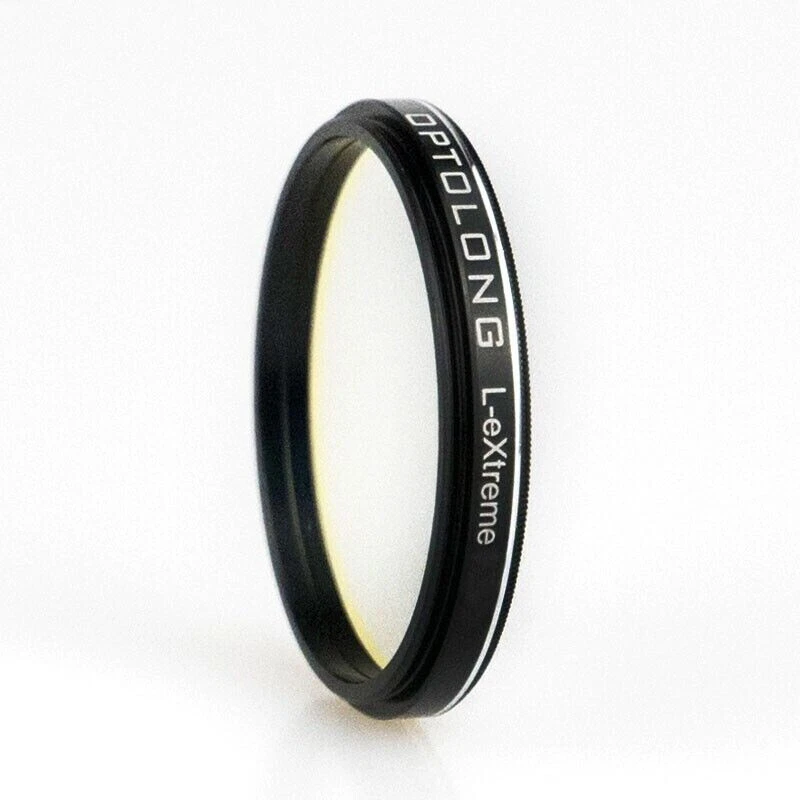
Optolong L-eXtreme
Perhaps the most recognizable dual-band filter on the market.
Features:
7nm Hα bandpass
7nm OIII bandpass
Excellent contrast
Very popular among OSC users
The L-eXtreme remains a benchmark filter for imaging emission nebulae.
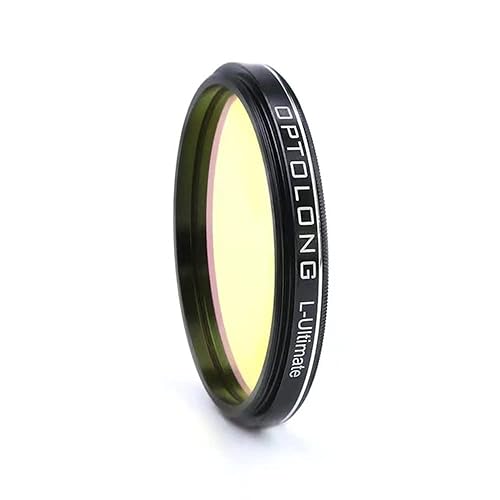
Optolong L-Ultimate
An evolution of the L-eXtreme with significantly narrower passbands.
Features:
3nm Hα
3nm OIII
Advantages:
Superior rejection of moonlight
Better star control
Increased nebular contrast
Many astrophotographers consider the L-Ultimate one of the best dual-band filters currently available for color cameras.
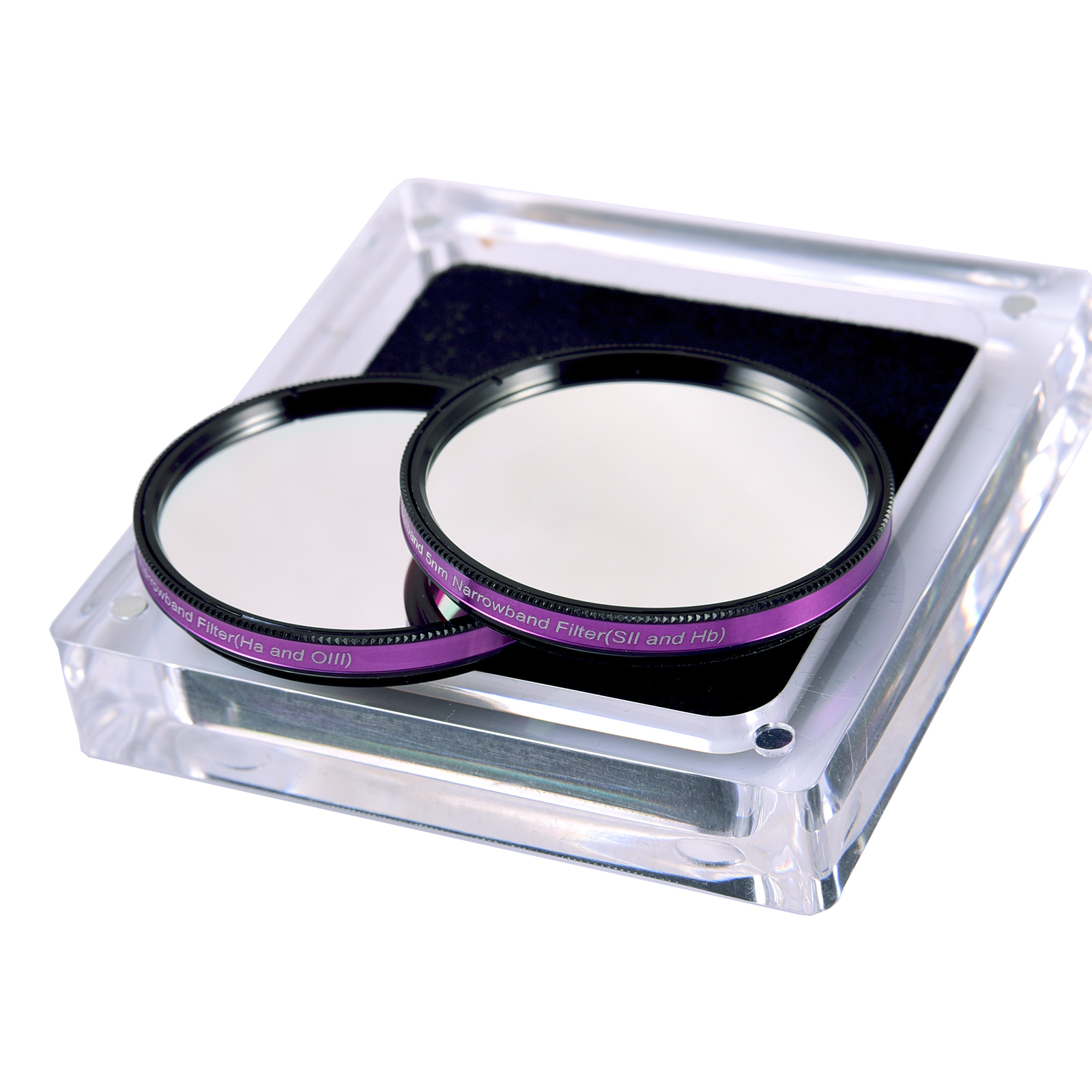
Antlia ALP-T Dual Band
Antlia has built a strong reputation for high-quality filters.
Features:
Excellent transmission
Tight star profiles
Strong color separation
Available in several versions with different bandwidths.
Antlia ALP-T 5nm
One of the most respected premium options.
Features:
Extremely narrow passbands
Excellent halo control
Outstanding performance under moonlight
Frequently chosen by advanced imagers seeking maximum contrast.
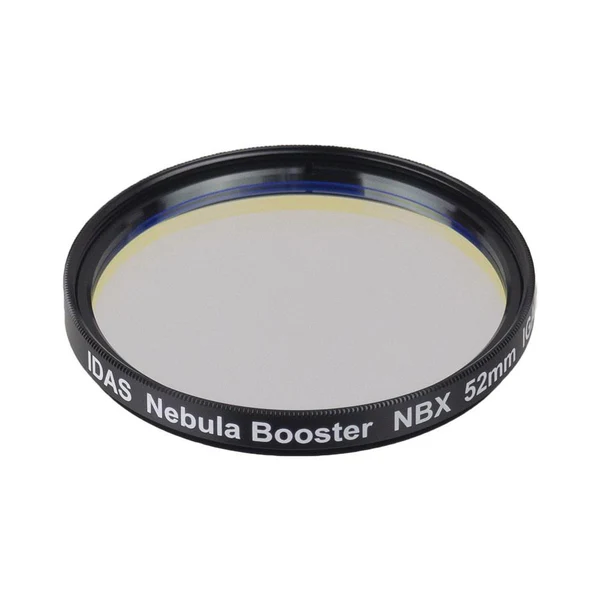
IDAS NBZ
A favorite among many experienced astrophotographers.
Features:
High optical quality
Excellent star color preservation
Strong halo resistance
Although more expensive than some competitors, the NBZ has earned a reputation for producing very natural-looking results.
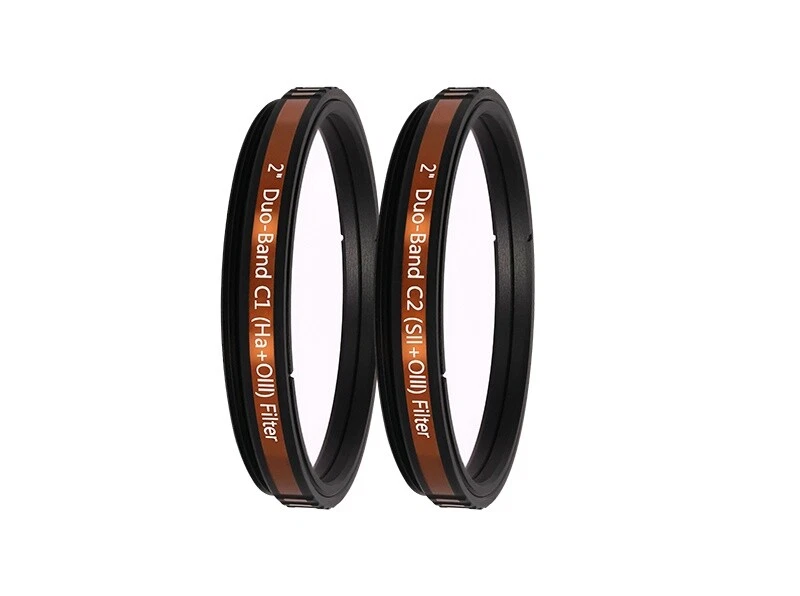
Askar Color Magic Series
A newer entry gaining popularity among OSC users.
Features:
Designed specifically for modern color cameras
Competitive pricing
Good balance between transmission and contrast
Choosing the Right Filter Width
The narrower the filter, the greater the contrast enhancement.
Typical categories include:
7nm filters: Easier to use, more forgiving, brighter stars
5nm filters: Better contrast and moonlight rejection
3nm filters: Maximum contrast and strongest suppression of unwanted light
However, narrower is not always automatically better. Extremely narrow filters are more expensive and place greater demands on acquisition and processing.
Are Dual-Band Filters Useful Under Bortle 1 Skies?
Many astrophotographers assume that dual-band filters are only for light-polluted environments. In reality, they remain extremely valuable even under pristine skies.
A Bortle 1 location already provides an exceptionally dark background. Adding a quality dual-band filter can further emphasize hydrogen and oxygen structures, making emission nebulae stand out dramatically against the sky.
Many of the world's best images of emission nebulae are captured from dark sites using dual-band or narrowband filtration.
Final Thoughts
If you use a color astronomy camera and enjoy photographing emission nebulae, a dual-band filter is one of the most effective upgrades you can make. Whether you choose an Optolong L-Ultimate, Antlia ALP-T, IDAS NBZ, or another premium model, these filters can reveal remarkable detail and contrast in some of the most beautiful objects in the night sky.
For many astrophotographers, the first night using a quality dual-band filter is the moment they truly discover what their telescope and camera are capable of capturing.